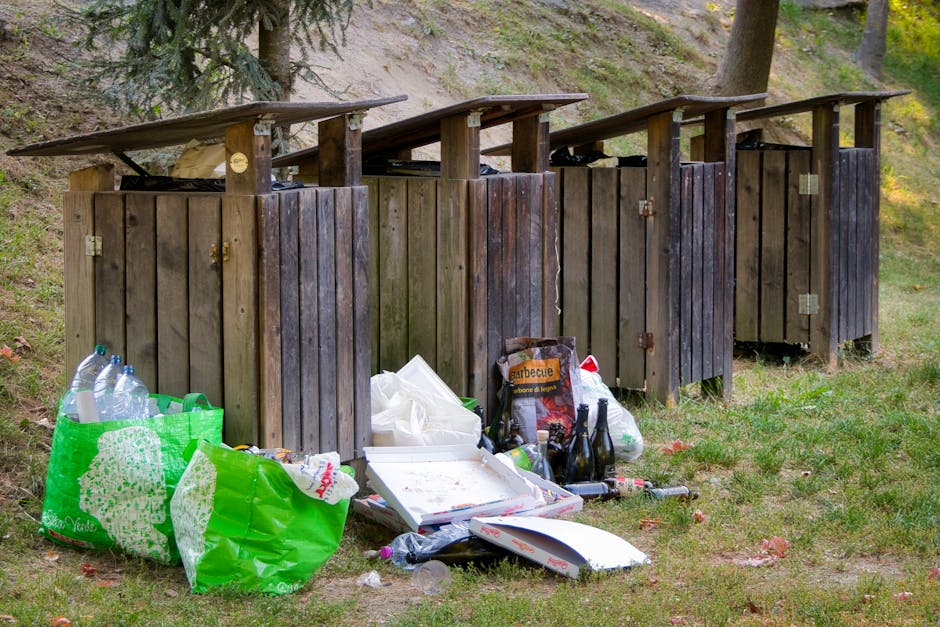
What to know about access problems for rubbish collection
If you have ever stood in a narrow hallway with a bulky sofa, watched a van circle a tight cul-de-sac, or realised the lift has just broken down five minutes before collection, you already know the headache. Access problems for rubbish collection can turn a simple job into a slow, frustrating one. The good news? Most issues are manageable once you know what to look for, what to tell the collector, and how to prepare the property properly.
This guide explains the real-world access issues that affect rubbish collection, why they matter, and how to reduce delays, wasted call-outs, and awkward surprises. It also covers practical steps for flats, houses, gardens, offices, garages, and construction-related clearances, because let's face it, access is rarely a one-size-fits-all problem.
For readers comparing services or planning a broader clearance, it can help to understand how access affects rubbish collection, rubbish removal, and related jobs such as house clearance or flat clearance. That context makes the planning much easier.
Table of Contents
- Why access problems for rubbish collection matter
- How access problems affect a collection
- Key benefits of planning access properly
- Who this is for and when it makes sense
- Step-by-step guidance
- Expert tips for better results
- Common mistakes to avoid
- Tools, resources and recommendations
- Law, compliance, standards and best practice
- Options, methods or comparison table
- Case study or real-world example
- Practical checklist
- Conclusion
- Frequently asked questions
Why access problems for rubbish collection matter
Access sounds like a small detail until it stops the job from happening. A crew might arrive ready to collect old furniture, mixed waste, builders' debris, or garden cuttings, only to find that the route out is blocked, the parking is impossible, or the item simply will not fit through the doorway. That is where time gets lost, labour gets harder, and the collection can become more expensive or be postponed altogether.
In practical terms, access problems matter for three reasons. First, they affect safety. Heavy lifting in cramped spaces raises the risk of damage to walls, floors, doors, and the item itself. Second, they affect timing. A job that should take twenty minutes can stretch into an hour if the crew has to detour through a basement, wait for a concierge, or carry waste down several flights of stairs. Third, they affect compliance and disposal efficiency. If waste cannot be loaded properly, it may need to be sorted, broken down, or moved in stages.
For homes and businesses in busier parts of North West London, access can be the difference between a smooth same-day job and a very awkward one. Streets around Camden or dense residential pockets such as Kilburn and West Hampstead often bring parking and loading challenges. That does not mean the job cannot be done. It just means access needs a bit more thought.
Expert summary: The better the access information, the smoother the collection. Clear route, clear parking, clear item sizes, clear restrictions. It sounds almost too simple, but it saves a lot of drama.
How access problems affect a collection
Most rubbish collection jobs follow a similar pattern: a team arrives, assesses the load, moves waste from the property to the vehicle, and disposes of it appropriately. Access problems interrupt one or more of those stages. The issue may be outside the building, inside it, or both.
Common access pinch points
- Parking restrictions: no waiting zones, permit-only streets, or limited stopping areas.
- Narrow entrances: tight hallways, stairwells, side passages, or shared entrances.
- Stairs and lifts: no lift, small lift, broken lift, or multiple floor levels.
- Locked or controlled access: coded gates, concierge desks, fob access, or timed entry windows.
- Physical obstacles: parked cars, bins, building works, bikes, prams, or storage clutter.
- Weather and surface issues: icy paths, wet steps, mud, gravel, or uneven paving.
Inside flats, access often becomes a question of volume and handling. A bulky wardrobe may go out sideways, then not quite. A sofa might fit through the living room but catch at the stair landing. Outside, the issue is usually about vehicle access and carrying distance. If the truck has to park two streets away, the job becomes slower and more labour-intensive. Simple enough, but easy to underestimate.
Where waste comes from a garden, loft, garage, or renovation project, the route can be even trickier. For example, a load of mixed rubble from a refurb may be straightforward once it reaches the pavement, yet still awkward if the only route passes through a shared hallway or a back alley with poor turning space. That is why services like builders waste removal and garage clearance often rely on decent pre-checks before a crew is sent out.
Key benefits and practical advantages
Planning access properly is not just about avoiding inconvenience. It brings real operational benefits that people notice quickly.
- Fewer delays: crews can work immediately instead of waiting for keys, permissions, or parking spots.
- Lower chance of damage: careful route planning reduces knocks to paintwork, bannisters, and doors.
- More accurate quotes: if the provider knows about stairs, distance, or restricted access, pricing is usually more realistic.
- Better scheduling: collections can be planned around building rules, parking windows, or opening hours.
- Less stress: you are not left solving problems on the doorstep while a van is parked outside.
- Safer handling: bulky items can be dismantled or moved with the right equipment from the start.
There is also a quieter benefit that people sometimes overlook: confidence. When access details are handled properly, the whole process feels organised. You know where the waste is going, how it will be moved, and what the likely bottlenecks are. That makes a difference, especially if you are managing a move, a tenancy changeover, or a business cleanout.
For larger clearances, it can be worth matching the service to the property type. A small flat job may suit rubbish clearance, while a more involved property reset may be better handled through home clearance or office clearance. The more aligned the service is with the space, the easier the access planning tends to be.
Who this is for and when it makes sense
Access planning matters for more people than you might think. It is not just for big commercial sites or awkward tower blocks. It helps anyone who has waste that cannot simply be picked up from the curb and dropped straight onto a vehicle.
This is especially relevant if you are:
- living in a flat with shared entrances or no lift
- moving furniture out of a terraced house with tight internal stairs
- clearing a garden with side access only
- dealing with a garage, loft, or basement full of mixed items
- managing office waste with limited loading bays
- coordinating builders' waste after a renovation
- responsible for bins, service areas, or estate access
It also makes sense if you are in a part of London where access is routinely awkward. Streets around Marylebone, St John's Wood, or Belsize Park often involve tight parking or controlled entry. That does not mean the collection is difficult beyond reason, but it does mean assumptions are risky. And assumptions, frankly, are where most collection problems begin.
If you are unsure whether the job is really a collection, a clearance, or a mixed waste removal project, it is usually safer to describe the space rather than the label. Say what is there, where it sits, and how it gets out. That gives a better starting point than trying to guess the perfect category.
Step-by-step guidance
Here is the simplest way to approach access problems without overcomplicating the job.
- Map the route. Start from the waste pile and walk the path to the vehicle. Notice narrow corners, steps, gates, low ceilings, and anything that would make a turn awkward.
- Measure the main items. Large sofas, wardrobes, appliances, and awkward frames are the usual troublemakers. Measure height, width, and depth if you can.
- Check the building rules. Look at lift times, loading restrictions, concierge hours, or estate access windows. If there is a key or fob needed, mention it early.
- Think about parking. Where can a van stop safely and legally? If it cannot get close, tell the collector the walking distance in plain terms.
- Sort the waste into types. Mixed rubbish, furniture, garden waste, and building materials may be handled differently. Separation helps the team plan the right approach.
- Flag any hazards. Broken glass, sharp metal, damp waste, mouldy items, or unstable stacks should be identified before arrival.
- Share clear photos. A couple of honest pictures of the space, entrance, and largest item can save a lot of guesswork.
- Confirm timing. If access is time-limited, make sure the booking fits the window, not the other way round.
A small but useful trick: take the photos from the exact angle someone would use when carrying the item out. You will spot pinch points much faster. It sounds obvious after the fact, but people often photograph the pile and forget the exit route. The exit route is the real story.
If the waste includes bulky household items, it may also be worth checking whether a specialist job is a better fit. For instance, a single awkward item may suit furniture disposal or sofa removal, while a broader cleanout may need a wider waste removal approach.
Expert tips for better results
In our experience, the best access solutions are rarely dramatic. They are usually a bundle of small decisions made early.
What helps most
- Disassemble before the team arrives: remove table legs, bed frames, or shelving where possible.
- Clear the route the night before: move shoes, bins, planters, and loose clutter out of the way.
- Reserve parking if needed: if your building allows it, arrange a bay or loading space in advance.
- Tell the truth about stairs: no lift, partially working lift, or awkward spiral stairs all matter.
- Share the awkward bits first: if a job has one impossible corner, mention it rather than hoping no one notices.
- Allow extra time: not because the crew is slow, but because access jobs often have more unknowns.
Here is another practical one: if the property has a long internal route, protect the edges. Cardboard, dust sheets, or simple floor protection can save grief later, especially in rental properties or shared buildings. Nobody wants a tense conversation about chipped skirting boards at 4pm on a wet Wednesday.
For business sites, access planning should include staff and operations. If a collection is going through a warehouse, office, or shared commercial entrance, let people know in advance. This is where business waste collection and waste collection can benefit from a tidy loading plan and a designated contact person.
Common mistakes to avoid
Most access issues are predictable once you see the pattern. The problem is that, under pressure, people often miss the same details.
- Assuming the van can park right outside. On busy streets, that is often wishful thinking.
- Underestimating item size. What looks manageable in a room can become impossible at the doorframe.
- Forgetting access controls. Gates, codes, concierge rules, and timed entry windows need to be shared.
- Leaving bulky items assembled. A wardrobe in two pieces is easier than one stubborn lump.
- Not mentioning stairs or level changes. Even two or three steps can matter when an item is heavy or unstable.
- Booking too tight a time slot. If anything goes slightly wrong, the whole schedule feels rushed.
One particularly common mistake is giving a description that sounds tidy but hides the real problem. "A few bits of rubbish" can mean a black bag and a broken chair, or it can mean a full flat's worth of mixed items. Be specific. It saves everyone a bit of faff.
And if you are clearing a property in a densely built area such as Primrose Hill, Kentish Town, or Queens Park, double-check the access route before the day. Those neighbourhoods can be perfectly workable, but only if the logistics are thought through.
Tools, resources and recommendations
You do not need fancy equipment to handle access problems well. A few simple tools and habits go a long way.
- Measuring tape: useful for doors, corridors, lifts, and large items.
- Phone camera: take wide shots of entrances and close-ups of tricky turns.
- Notes app or checklist: keep the key access details in one place.
- Floor protection materials: cardboard, blankets, or dust sheets for narrow routes.
- Basic disassembly tools: screwdrivers and hex keys for furniture breakdown, if safe to do so.
- Building contact list: concierge, landlord, estate manager, or site manager details if access needs permission.
For certain jobs, the right service page can help you think through the access implications before you book. For example, a cluttered property may be better suited to waste clearance than a simple one-off lift and load. A garage stuffed with mixed items may be easier to plan around if you look at garage clearance first. Garden work? Then garden clearance is the more useful lens.
If you need a broader sense of the company and service style, you can also review the about us page. That can help if you want to understand the approach before making a booking. It is a small step, but sometimes a reassuring one.
Law, compliance, standards and best practice
Access problems are mostly operational, but they can touch on legal and practical duties too. In the UK, waste should be managed responsibly, and the person arranging collection should be clear about what is being removed and how it is handled. You do not need to become a legal expert overnight, but you should make sure the waste is described honestly and presented safely.
Best practice usually means the following:
- do not block emergency exits or communal fire routes
- do not leave waste in a way that creates a hazard for neighbours or the public
- be honest about hazardous, sharp, heavy, or mixed waste
- check building permissions before using lifts, loading bays, or shared entrances
- keep access routes clear for the crew and other residents or staff
If your property is in a managed block, estate, or commercial setting, there may also be site-specific rules about timing, noise, loading, or safeguarding communal spaces. Those are not always formal "laws", but they still matter. Truth be told, they are often what makes or breaks the day.
There is also a best-practice expectation around accurate job descriptions. If the collection requires extra labour because of access, the provider may need to price or plan accordingly. That is normal. It is better to be upfront than to discover the issue once the van is outside and everyone is already in motion.
Options, methods or comparison table
Different access situations call for different ways of working. Here is a practical comparison to help you decide what tends to fit best.
| Situation | Best approach | Why it works |
|---|---|---|
| Easy ground-floor access with parking nearby | Standard rubbish collection | Fast loading, minimal handling, fewer delays |
| Flat with stairs and no lift | Pre-planned flat clearance or item-by-item removal | Allows for labour, pacing, and route protection |
| Bulky furniture in tight rooms | Furniture disposal or sofa removal | Lets the team plan dismantling or careful extraction |
| Mixed waste from renovation or trades | Builders waste collection | Useful for heavier loads and site access planning |
| Business premises with loading limits | Scheduled business waste collection | Matches access windows and minimises disruption |
| Cluttered home, garage, or loft | House clearance, home clearance, or garage clearance | Better for multi-room access and staged removal |
There is no magic answer here. The best method is the one that fits the property, the waste type, and the access constraints. If the access is poor but the job is small, a simple collection may still be fine. If the access is awkward and the load is large, a more structured clearance is often the smarter choice.
Case study or real-world example
A common scenario: a two-bedroom flat in a busy North West London street, fourth floor, no lift, and an old sofa that has clearly seen one too many curry nights. The resident had assumed the sofa would fit through the stairwell because it had made it into the flat years earlier. Fair enough, that is a reasonable guess. But over time, furniture gets squeezed in, doors are repainted, and the route feels tighter than you remember.
On inspection, the problem was not the sofa itself but the turn at the landing. The crew needed to pivot the item at an awkward angle while another person watched the walls carefully. To avoid damage, they removed the feet first, shifted the angle, and moved slowly. It took longer than a ground-floor job, but it was perfectly manageable once the access issue was known in advance.
The real lesson was simple: the job was not "hard", just misread. The resident had not mentioned the stair turn, and the initial photo only showed the sofa in the room. One more picture of the landing would have flagged the issue immediately. That tiny omission cost time, not disaster. Still, it is the sort of thing that makes a working day feel messy for everyone.
In slightly larger properties, the same pattern appears with house clearance or home clearance jobs where the waste is scattered between rooms, garden access, and loft spaces. The more the collection involves moving through the property, the more access planning pays off.
Practical checklist
Use this before the collection day. It is simple, but it catches most of the avoidable issues.
- Have I checked the exact route from the waste to the vehicle?
- Do I know whether parking is available and legal?
- Have I measured the largest items?
- Have I told the provider about stairs, lifts, gates, and codes?
- Are there any fragile surfaces or tight corners to protect?
- Have I removed small loose items from the route?
- Do I need to dismantle any furniture first?
- Have I sent photos of the space and the items?
- Do any building or estate rules affect timing or access?
- Have I identified anything sharp, heavy, wet, or hazardous?
If you can tick most of those boxes, you are already ahead of the curve. Not perfect, maybe. But comfortably prepared.
Conclusion
Access problems for rubbish collection are rarely glamorous, but they are one of the biggest reasons jobs go slowly or feel more complicated than expected. The key is not to panic or overthink it. Just be clear about the route, honest about the obstacles, and realistic about what can be moved safely. That alone solves a surprising amount.
Whether you are clearing a flat, managing a home project, sorting out business waste, or dealing with bulky furniture, good access planning makes the process cheaper, safer, and calmer. And in a busy part of London, calm is worth quite a lot.
If you are at the stage where you need a straightforward collection, a fuller clearance, or help judging the access from photos and measurements, it is worth taking the next step now rather than leaving it until collection day.
Get a free quote today and see how much you can save.
Frequently Asked Questions
What counts as an access problem for rubbish collection?
Anything that makes it difficult to reach the waste, move it safely, or load it onto the vehicle counts as an access problem. That might be stairs, narrow hallways, tight parking, locked gates, long carrying distances, or a broken lift.
Do I need to mention access problems when I book?
Yes. It is always better to mention them early. Even small details, like a few steps at the front door or a permit-only street, can affect timing and labour.
Can rubbish still be collected from a flat with no lift?
Usually yes, provided the items can be moved safely and the team knows what to expect. The main factors are item size, stair width, turning space, and the overall amount of waste.
What if the van cannot park near my property?
That does not automatically stop the collection, but it may make the job slower or require more carrying. Share the likely parking situation before the visit so the provider can plan properly.
Should I dismantle furniture before a collection?
If you can do so safely, dismantling bulky furniture often helps a lot. Bed frames, wardrobes, and large tables are much easier to remove in sections than in one piece.
How can I make access easier on collection day?
Clear the route, move loose items out of the way, reserve parking if possible, and share photos of the most awkward points. A little preparation saves a surprising amount of effort.
Does access difficulty change the price?
It can, because more difficult access may mean more labour, more time, or special handling. The honest answer is that every job is different, so clear information is the best way to get an accurate quote.
What should I do if a lift is out of service?
Tell the provider as soon as you know. A broken lift changes the whole plan, especially for heavier items or multiple loads. It may still be workable, just slower.
Are access problems different for office waste?
Often, yes. Offices usually involve loading bays, reception controls, shared corridors, and time windows. The waste may be simpler, but the building access can be more structured.
What photos are most useful to send?
Send one photo of the waste itself, one of the exit route, and one of any obstacle such as stairs, gates, or parking limitations. If there is a tricky corner, photograph that too.
Can access issues affect garden clearance or builders waste removal?
Definitely. Garden gates, uneven paths, side returns, rubble sacks, and narrow alleyways are all common access complications. For larger jobs, the access plan matters as much as the waste type.
What is the biggest mistake people make with access?
They assume the team will "figure it out" on arrival. Usually they will, but that can mean delays, extra handling, or avoidable stress. A little upfront detail makes the whole process smoother.
When access is planned properly, rubbish collection feels far less like a chore and more like a tidy reset. That is the quiet win, and it is often the one people remember most.